
About Me
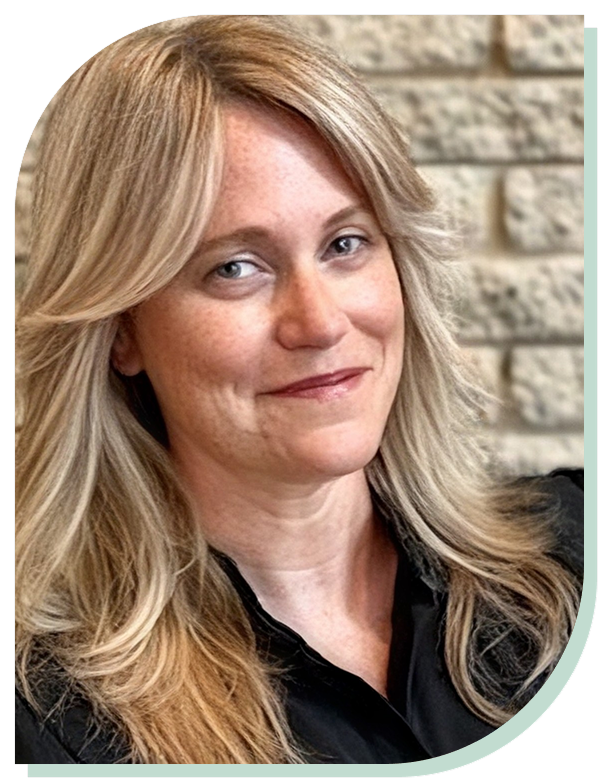
For more than 25 years, I have dedicated my career to understanding trauma—how it shapes the way we think and feel, how we relate to others, how we experience our bodies, and ultimately, how we see ourselves. My work is grounded in the belief that effective trauma therapy requires more than treating symptoms. It requires understanding the experiences beneath them and creating a therapeutic relationship where clients feel safe enough to explore, process, and heal.
I am a Licensed Clinical Mental Health Counselor-Supervisor (LCMHC-S) specializing in trauma, PTSD, C-PTSD, Anxiety, Depression, Mood Disorders, and significant life transitions. Over the course of my career, I have worked in a wide range of clinical environments—including family court, therapeutic foster care, residential treatment, hospital settings, and outpatient mental health. These experiences have given me extensive exposure to complex clinical presentations and a deep understanding of the many ways trauma can affect a person's emotional, physical, and relational well-being.

Experience Informs My Work. The Individual Guides It.
No two people experience trauma in exactly the same way, which is why I don't believe trauma therapy should follow a one-size-fits-all formula. I take the time to understand the whole person—their history, relationships, strengths, challenges, patterns, and goals—and develop an individualized approach to treatment.
My work draws from evidence-based and trauma-informed therapeutic modalities while remaining responsive to what each client needs. Therapy may involve understanding longstanding patterns, strengthening emotional regulation, developing greater awareness of the nervous system, processing painful experiences, rebuilding trust in yourself and others, or finding new ways to move forward. The approach may differ from person to person, but the goal remains the same: meaningful change that extends beyond the therapy room and into everyday life.

I am a North Carolina native and earned my B.A. in Psychology from Denison University and my M.A. in Counseling from the University of North Dakota. I began my career in Washington, DC as a family reunification specialist, clinical case manager, and therapeutic foster care counselor. Upon licensure, I returned to North Carolina in 2009 working at a residential treatment facility, hospital setting, community mental health center, and eventually founded Oak Family Counseling in 2014.
As my practice evolved, so did its focus. What began as a broader counseling practice increasingly became centered around the work that has been at the heart of my career: trauma. Over the past 12 years, I have honed both my professional development and clinical experience serving those with trauma history. Levitt Trauma Therapy & Consulting reflects that evolution and my commitment to providing specialized, individualized trauma care to adults throughout North Carolina.
My Background
A Whole-Person Perspective
Trauma doesn't exist solely in our thoughts. Its effects can reach into relationships, sleep, physical health, stress responses, decision-making, identity, and our sense of safety in the world. That understanding has shaped the way I practice throughout my career.
I expanded my clinical training by becoming a Certified Mental Health Integrative Medicine Provider in 2015. This allows me to bring a broader perspective to the mind-body connection when dealing with the impact of trauma. I will collaborate with medical and other healthcare professionals when appropriate.
I was also among the early clinicians in North Carolina to become a Board Certified Tele-Mental Health Provider, reflecting my longstanding commitment to providing accessible, high-quality, HIPAA compliant virtual care.
I believe some of the most important work in therapy happens when a person feels deeply understood without feeling judged, minimized, or defined by what has happened to them. My role is to bring experience, clinical knowledge, curiosity, and compassion to our work together while helping you better understand yourself and determine what healing and meaningful change look like for you.